2026 Best Clothes Donated Bin Options for Global Buyers?

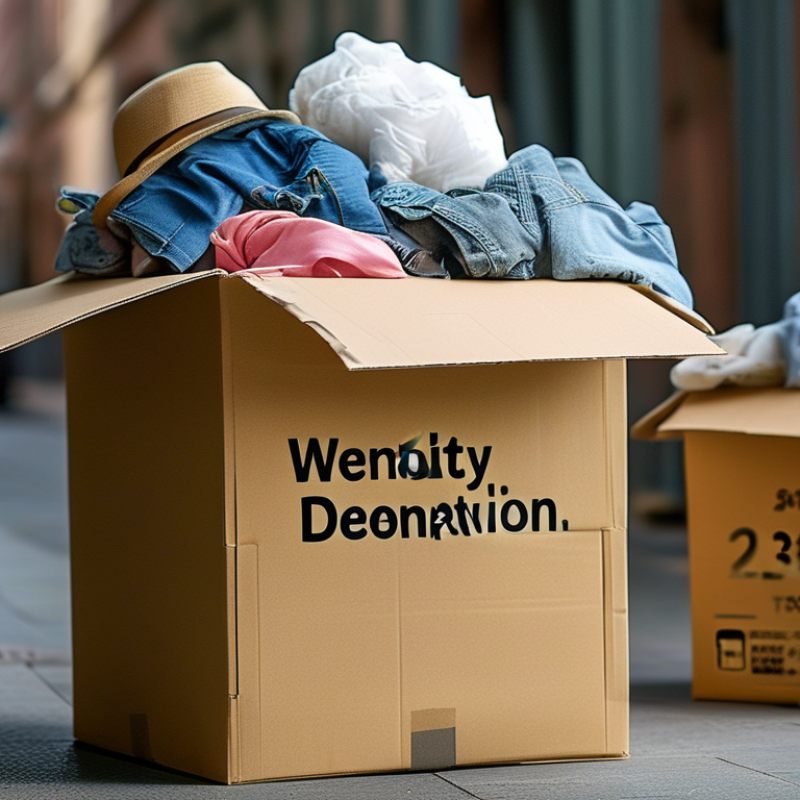
As global interest in sustainability rises, the role of Clothes Donated Bins becomes critical. Reports from the World Economic Forum show that the fashion industry generates over 92 million tons of waste annually. This staggering figure emphasizes the need for efficient recycling methods and donation infrastructures. Clothes Donated Bins serve as vital tools in combating this issue, allowing individuals to easily contribute to a more sustainable future.

In many regions, access to these bins varies significantly. A survey by the Environmental Protection Agency indicated that only 15% of textiles are recycled in the United States. This raises questions about accessibility and effectiveness. Are we doing enough to promote their use? Are the bins placed in convenient locations? Without strategic planning, these initiatives may fail to achieve their potential impact on waste reduction.

While Clothes Donated Bins present a promising solution, challenges remain, such as contamination and lack of public awareness. According to the Textile Recycling Association, about 30% of donations are unsuitable for resale. Therefore, educating the public on proper usage is essential. Addressing these shortcomings will enhance the efficiency of donation programs worldwide and ensure that more textiles find new homes rather than landfills.
2026 Best Clothes Donated Bin Options for Global Buyers?

Top Considerations When Choosing Clothes Donation Bins

When choosing clothes donation bins, several key factors must be considered. The location of these bins is crucial. Research indicates that bins located in high-traffic areas can increase donations by over 40%. Accessibility is essential; bins should be easy to find and reachable for potential donors.

Another important consideration is the bin's condition and design. A well-maintained bin that is visually appealing encourages more people to donate. Studies show that bins with clear signage and instructions can boost usability. Furthermore, the type of materials used in construction impacts durability. Bins made from high-quality, weather-resistant materials last longer and minimize maintenance.

Transparency regarding the destination of donations is vital. Many donors want to know where their clothes go and how their contributions help. Leveraging community partnerships can enhance credibility, but understanding local needs is equally important. Not every area requires the same types of clothing, and misalignments can lead to wasted resources. Addressing these factors can create more effective donation systems.

Evaluating the Impact of Donation Bins on Local Communities

Donation bins have become vital in many communities. They serve as a convenient option for households to contribute gently used clothing. However, the impact of these bins on local communities deserves closer scrutiny. A 2022 report from the National Association of Textile Recycler (NATR) estimated that over 80% of donated textiles are reusable. This demonstrates how these bins can aid in sustainability efforts.

While many benefit from accessible donation options, there are notable drawbacks. Some communities report issues with overflowing bins. A 2021 study indicated that up to 20% of donation bins are mismanaged, leading to litter and local discontent. This creates a messy environment, which might discourage future donations.

Moreover, the donation process is not without challenges. Many individuals lack information on how their donations are used. An insightful survey from 2023 found that 65% of respondents were unaware of the textiles' journey after dropping off items. Enhancing transparency can foster trust and encourage participation. As communities navigate these complexities, a balanced approach is crucial to maximizing benefits while addressing concerns.

Comparative Analysis of Leading Clothes Donation Bin Brands

When considering clothes donation bins, multiple aspects come into play. Some brands focus on ease of access, while others emphasize community involvement. A well-placed bin can improve donation rates. Local partnerships often help maximize the bins' potential. However, not all bins are managed equally. Some fields report poorly maintained options that detour donors.

A comparative analysis reveals distinct strengths among brands. Certain bins are designed with weatherproof materials. They withstand harsh conditions better than others. A few brands claim high collection efficiency but lack transparency in their operations. It's essential for buyers to seek out bins with reliable tracking systems. Moreover, bins with clear guidance on what items to accept generally foster better habits.

While many brands promote eco-friendly practices, the real question is their effectiveness. Do these bins actually benefit local communities? Research shows mixed results. Some programs provide proper support for initiatives, while others do not. Buyers should critically assess the impact on their neighborhoods. Not all donation methods yield the same results. Insightful evaluation is key to making informed choices in this space.

Best Practices for Donating Clothes to Ensure Quality and Sustainability

Donating clothes is a significant action. However, quality and sustainability can be compromised if not done correctly. Statistics indicate that 84% of unwanted clothing ends up in landfills. This is a troubling fact. To counter this, donors should carefully consider what items to give away. Only clean, undamaged clothing should be placed in donation bins.

Best practices revolve around educating donors. Many may not realize that items like shoes and belts are often welcomed. Local charities depend on these additional items for various needs. Research shows that approximately 70% of clothing donations can be recycled or reused if treated properly. Donating clothing that meets these criteria supports sustainability endeavors.

Donors might need to reflect on their habits. Some common mistakes include donating items that are heavily worn or unsellable. Though intentions are good, these decisions can hinder the efforts of organizations. Quality donations are essential for maximizing impact in communities. Prioritizing well-maintained items can lead to positive outcomes in clothing recycling and reuse sectors.

How Donation Bin Locations Affect Donor Participation and Success

The location of donation bins significantly influences donor participation. A recent study by the National Association for the Exchange of Industrial Resources (NAEIR) shows that bins placed in high-traffic areas can increase donations by up to 40%. Accessibility matters; bins located near grocery stores or community centers attract more donors. This is crucial for maximizing the positive impact of donations.

It's essential to consider the visibility of donation bins. Factors like signage and layout can deter or encourage potential donors. In areas where bins are well-maintained and visible, the donation rate rises. A study by Keep America Beautiful found that clean, well-placed bins have a 30% higher likelihood of receiving donations compared to neglected counterparts. It’s not just about the bin; it’s about the surrounding environment and community perception.

**Tips:**
Engage local communities for better placement. Leverage social media for awareness. Maintaining clean and visible bins encourages more contributions. Those involved in donation processes should reflect on strategies regularly. What works today might not work tomorrow. Consider feedback from donors to adapt and improve bin locations.