Choosing the right shop workbench is crucial for any workshop setup. According to James O'Rourke, a leading expert in woodworking and shop organization, “A well-designed shop workbench can transform your workspace.” His insight emphasizes the importance of selecting a bench that fits your specific needs.
A quality shop workbench should complement your work style. It should meet your size, height, and versatility requirements. Many people overlook this critical aspect. They may buy a trendy model rather than one that serves their functions effectively. The right workbench supports your projects and enhances your productivity.
Moreover, think about durability and materials. A sturdy, heavy-duty surface can resist wear and tear. If you choose poorly, you may find yourself frustrated later. Consider the available space in your workshop. Finally, reflect on the accessories. Drawers, shelves, and tool organizers boost efficiency. A tailored shop workbench is more than just a surface; it’s an essential tool for success.
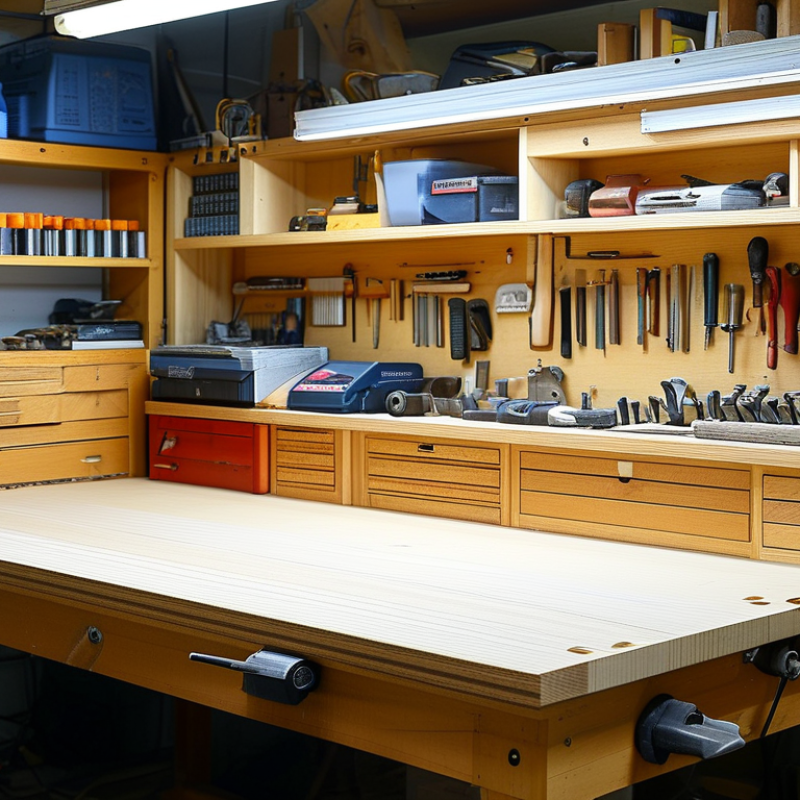
Choosing the right workbench starts with understanding your workspace requirements. Begin by evaluating the available area in your workshop. Consider the dimensions and how much room you need to move around comfortably. A cramped space can limit your productivity. Measure your workspace carefully to identify the ideal bench size.
Think about the types of tasks you will perform. For woodworking, a sturdy surface is crucial to handle heavy materials. If electronics are your focus, you might need a bench with designated compartments for tools and components. This specialization can enhance your efficiency and keep everything organized.
Don't overlook your personal preferences. Your comfort matters too. The height of the bench should suit your posture. A poorly positioned work surface can lead to fatigue. It’s essential to test different heights before making a decision. Reflect on your previous experiences and what features worked or didn’t. Your needs may evolve over time, so don’t hesitate to reassess your workspace periodically.
Choosing the right workbench is key for effective shop work. Various types are available, catering to specific needs. For example, mobile workbenches offer flexibility for small spaces, while heavy-duty models serve industrial purposes. Professionals often lean towards benches made of solid wood or heavy steel. These materials provide stability and durability, essential for intense tasks.
A report from the Industrial Workbench Association shows that functional workbench design increases productivity by up to 30%. Many craftsmen appreciate adjustable workbench heights. Ergonomics play a big role in reducing strain. Also, the choice of surface material matters. Laminate surfaces resist moisture but may not endure heavy tools' impact.
Some users face challenges when selecting workbenches. They often overlook their workspace's dimensions. A too-large bench can crowd the space, while a small one can limit capabilities. Additionally, understanding the tools and tasks that will be used is crucial. Thoughtful selection based on specific requirements can prevent inefficiencies and frustrations, ensuring the right fit for various shop projects.
Choosing the right workbench involves considering several key features. Start with the size. A larger workbench offers more surface area. However, space limitations could make a huge bench impractical. Evaluate your workspace. Is it narrow? A compact design might be better. The material is another crucial aspect. Wood, metal, or composite each has its pros and cons. Wooden benches give warmth and stability, while metal can offer durability.
Next, look at the height. A workbench that is too tall or low can cause discomfort. Adjustable options can be beneficial but might increase costs. Think about storage too. Built-in shelves and drawers help organize tools. But they can reduce the workspace. Lastly, consider the load capacity. If you plan to work with heavy materials, a heavy-duty bench is necessary. An inadequate choice can lead to accidents. Reflect on your needs carefully, as the right workbench supports productivity and safety in any project.
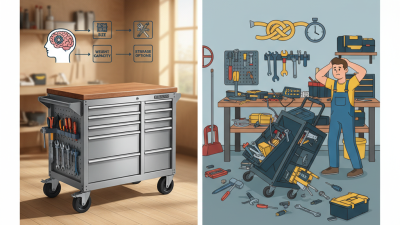
This chart illustrates key features to consider when selecting a workbench, including size, material, weight capacity, drawer count, and price. Each feature is crucial for ensuring that the workbench meets your specific needs.
Choosing the right size and height for your workbench is essential for productivity. A workbench that is too high can lead to discomfort when working for extended periods. Conversely, a bench that is too low can strain your back. Measure your height and consider how you typically work. If you're often seated, a lower work surface might suit you better.
The standard height for workbenches is usually between 28 to 36 inches. However, this can vary based on personal preference. Try standing next to a bench at different heights. Your elbows should be relaxed at your sides and just above the surface. This position ensures optimal comfort while working.
Don't overlook the size of your workspace. A larger bench offers more surface area for projects, but it can occupy precious floor space. Think about the type of projects you plan to tackle. Will you need extra room for tools or materials? A cluttered bench can stifle creativity. Test out different layouts before committing to a final size. Reflect on what works best for you and be willing to adjust.
| Workbench Type | Recommended Size (L x W x H in inches) | Material | Weight Capacity (lbs) | Ideal Use |
|---|---|---|---|---|
| Woodworking Workbench | 60 x 30 x 36 | Solid Wood | 500 | Carpentry, Wood Projects |
| Metalworking Workbench | 72 x 36 x 38 | Steel | 1000 | Metal Fabrication, Welding |
| Multi-Purpose Workbench | 48 x 24 x 30 | MDF with Laminate | 300 | General Use, DIY Projects |
| Portable Workbench | 36 x 20 x 30 | Aluminum | 200 | On-the-go Jobs, Small Spaces |
When selecting a shop workbench, budgeting is a key factor. A high-quality workbench can last for decades, while cheaper options may need frequent replacements. According to a recent industry report from the American Woodworker’s Association, investing in a sturdy, well-constructed bench can improve productivity by up to 30%. For many professionals, this means choosing quality over cost is a must.
Consider your specific needs before purchasing. If woodworking or heavy machinery is part of your tasks, durability becomes paramount. Cheap materials may not withstand heavy use. A workbench built from solid hardwood or heavy-duty steel might be pricier upfront but can save money in the long run. The initial expense can often lead to reduced maintenance costs and fewer replacements.
Watch out for hidden costs, too. Assembly, shipping, and necessary accessories can add up quickly. Divide your total budget: allocate a portion for the bench itself and another for additional features. It’s wise to compare prices from different suppliers. Research shows that consumers often overlook this step, potentially spending 10% more than necessary. While finding a balance between quality and cost is challenging, investing in a reliable workbench ultimately pays off.
1901 West Main Street
Washington, MO 63090
Main Directory: 1-800-227-4873
Email: sale@pangcofurniture.com

We’re always looking for talented individuals to join our team. Send us your resume using the form below. When a position comes available that matches your skillset, one of our team members will reach out to you.
"*" indicates required fields