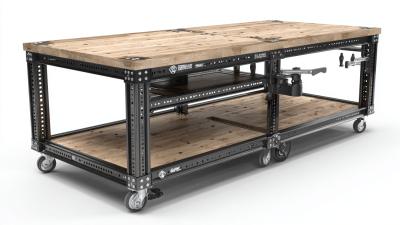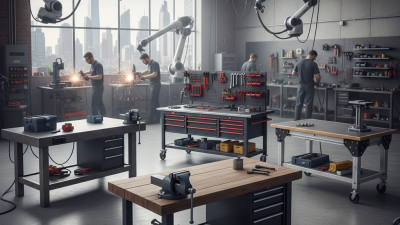
A workshop often reveals its problems in small moments. A board rocks during drilling. A clamp slips. Tools disappear beneath offcuts. A well-chosen shop workbench can reduce these daily frustrations by providing a stable, organized surface for cutting, assembly, repair, and careful measuring.
The U.S. Bureau of Labor Statistics reported 2.6 million nonfatal workplace injuries and illnesses in private industry in 2023. That figure is not specific to workshops or workbenches, but it underscores why practical workspaces deserve attention. A bench at a suitable height, with dependable support and accessible storage, can make routine tasks easier to control. Details matter: the vise should hold a piece without twisting it, and the surface should suit the work rather than merely look impressive.
Woodworking author and workbench designer Christopher Schwarz has described the bench as “the most important tool in the shop.” It is a useful reminder, not a universal rule. A cabinetmaker, mechanic, and home DIYer may need very different bench sizes, materials, and load capacities. No single design fits every shop. Even a sturdy bench can disappoint if it crowds the room or lacks the right clamping options. This guide explores why a shop workbench can be a worthwhile choice, which features matter, and where a simpler setup may be enough.
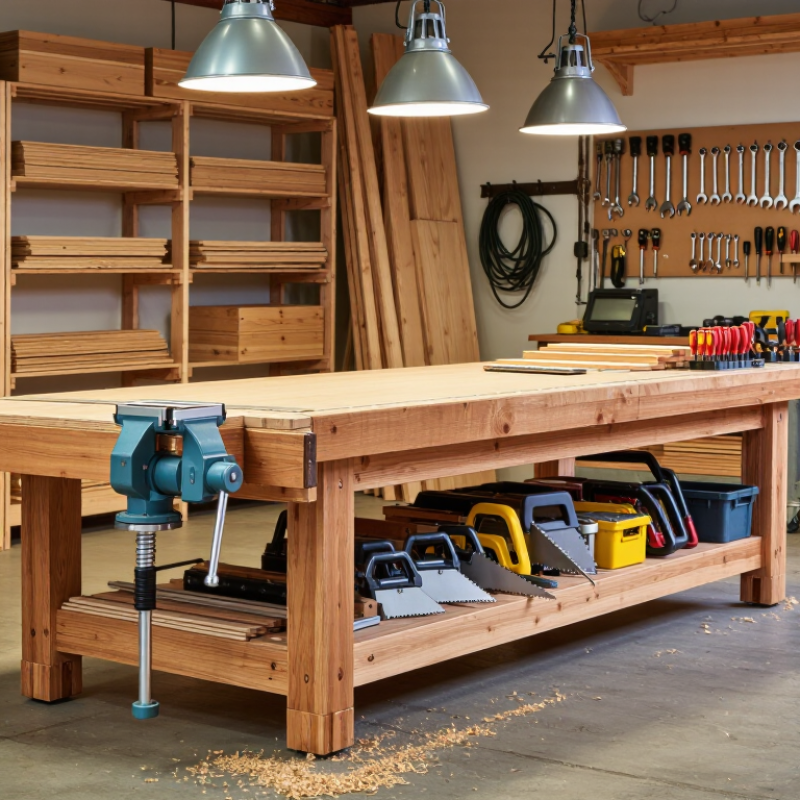
A shop workbench is the workshop’s steady working surface, not just a place to set tools. It supports measuring, assembly, sanding, and small repairs. A rigid top helps keep parts from shifting when you mark or drill them. That matters. A securely mounted vise can hold a board at a comfortable height, leaving both hands free for careful work.
The bench also shapes how a workshop flows. Drawers or shelves keep common tools close, while clear space underneath can make room for a stool or larger materials. Choose a height that suits the tasks you do most, and check the bench’s load capacity before placing heavy equipment on it. A workbench can look ideal on paper and still feel awkward once tools are spread across its surface. Not every feature earns its space.
Tips: Before buying, measure the work area and mark the bench footprint on the floor. Check legroom, door clearance, and access to nearby outlets. If possible, test the working height with a simple mock-up; a few centimeters can change how your shoulders feel after an hour.
A shop workbench improves efficiency by keeping tools, parts, and instructions within reach. A marked place for frequently used items cuts down on searching. A vise, task light, and clear surface also make small jobs easier to repeat. Small gains matter. The U.S. Bureau of Labor Statistics reported 2.6 million nonfatal workplace injury and illness cases in private industry in 2023. That figure does not prove a workbench prevents injuries, but it highlights why safer, better-arranged work deserves attention.
Set the bench height for the task, and keep heavy materials near waist level. NIOSH’s Elements of Ergonomics Programs recommends fitting workstations to the worker and reducing awkward reaches. Use shallow bins for fasteners, label drawers, and leave one clear area for inspection. A simple layout can prevent parts from being misplaced between cutting, assembly, and checking. It is not magic. Without regular cleanup, the bench can become a storage shelf, and the system stops helping. Review the layout after a busy week; the tools you reach for most may not be where you expect.
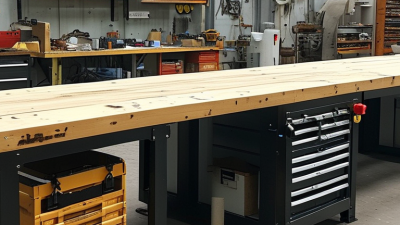
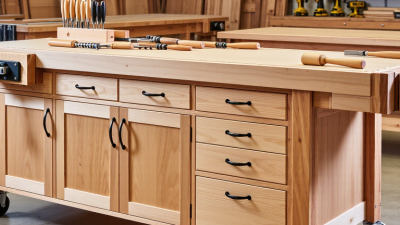
A general-purpose shop workbench suits repairs, assembly, and everyday hand-tool tasks. A sturdy top gives you room to sort fasteners, hold a vise, or lay out a small project. It’s the flexible choice. Woodworking benches often include thicker tops, bench dogs, or vises to secure boards while cutting and sanding. Those features help control the work, but they do not replace careful clamping.
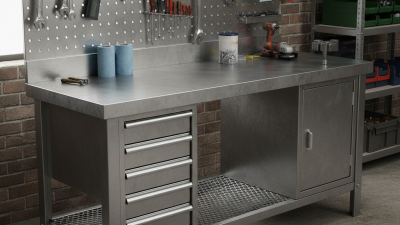
Metalworking benches are built for heavier tools and repeated impact. A steel top can handle rougher jobs, while drawers keep measuring tools and parts close at hand. Check the bench’s rated capacity and stability before placing heavy equipment on it. For electronics or fine assembly, a smooth, well-lit bench with small-part storage is more useful than a rugged surface. Keep the area clear of dust and metal filings.
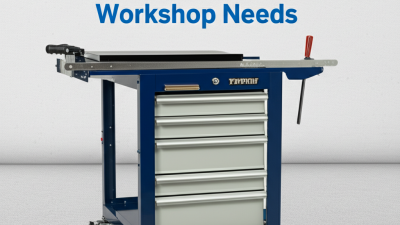
A mobile workbench helps when projects move between rooms or shared work areas. Locking casters matter; even a strong bench can shift during sawing if its wheels are not secured. I’ve seen flexible benches become clutter magnets. That’s worth considering. Choose a type based on the work you actually do, the tools you need nearby, and the space available. A specialized bench can be excellent for one task, yet awkward for everything else.
A shop workbench should suit the work, not just fill an empty corner. For small parts and electronics, choose a flat, smooth top with bright task lighting and shallow drawers. Assembly and woodworking often need a deeper surface, room for clamps, and a replaceable sacrificial panel. A deep top sounds useful, but it can push frequently used tools out of reach.
Match capacity to your heaviest project, including the vise and materials. Check the stated load rating and look for a rigid frame that resists rocking when you plane or drill. Height matters, too: standing tasks usually feel better when your elbows stay near the work surface. If several people use the bench, adjustable feet can help compensate for uneven floors. Small detail. Big difference.
Storage should keep tools close without crowding the working area. BLS reported 2.6 million nonfatal workplace injuries and illnesses in private industry in 2023, in its Employer-Reported Workplace Injuries and Illnesses report. That figure is not specific to workbenches, but it reinforces the value of planning a stable, orderly workspace. Keep heavy items low, leave clear knee space where needed, and route cords away from cutting zones. One common mistake is buying extra drawers before measuring the vise swing and project footprint. A simple cardboard layout can reveal the problem first.
Choosing the right workbench starts with measuring the space you actually have, not the empty rectangle on a floor plan. Mark the bench footprint with masking tape, then test door swings, drawer openings, and the path used to carry long boards. Leave room to turn with a sheet of plywood. Tight corners become frustrating fast.
Match bench height to the work. The Canadian Centre for Occupational Health and Safety recommends work surfaces around 5 cm above elbow height for precision tasks, 5–10 cm below for light work, and 20–40 cm below for heavy work. These are starting points, not a perfect fit for every person or task. Try sanding, assembly, and hand-tool work at the proposed height before fixing the layout. Your shoulders will tell you something.
Storage also affects the footprint. A lower shelf can hold clamps and boxes, but deep drawers may block your knees or reduce access from the side. In a compact workshop, a mobile bench can free floor space when a project needs room. It may wobble under force, though. Check its locking wheels and stability before relying on it. Measure twice, then reconsider the plan.
Compare example workbench footprints to see how bench size affects available work surface.
Surface areas are calculated from the listed example dimensions. Choose a bench that fits your space while leaving enough room to move and work safely.
1901 West Main Street
Washington, MO 63090
Main Directory: 1-800-227-4873
Email: sale@pangcofurniture.com

We’re always looking for talented individuals to join our team. Send us your resume using the form below. When a position comes available that matches your skillset, one of our team members will reach out to you.
"*" indicates required fields