10 Essential Tips for Choosing the Perfect Steel Work Bench for Your Workshop

When it comes to setting up an efficient and functional workshop, choosing the right steel work bench is a critical decision that can significantly impact your productivity and comfort. A well-designed work bench not only provides a sturdy surface for various tasks but also caters to the specific needs of your projects. With an overwhelming number of options available on the market, selecting the perfect steel work bench may seem daunting. However, understanding the essential factors to consider can streamline your decision-making process.

In this guide, we present ten essential tips for selecting a steel work bench that meets your unique requirements. From assessing the size and load capacity to evaluating the quality of materials and design features, each tip aims to equip you with the knowledge needed to make an informed choice. Whether you are a hobbyist, a professional artisan, or an industrial worker, your work bench should enhance your workflow and withstand the rigors of daily use. By carefully considering these aspects, you can create a workshop environment that fosters creativity and efficiency, ultimately transforming your working experience.
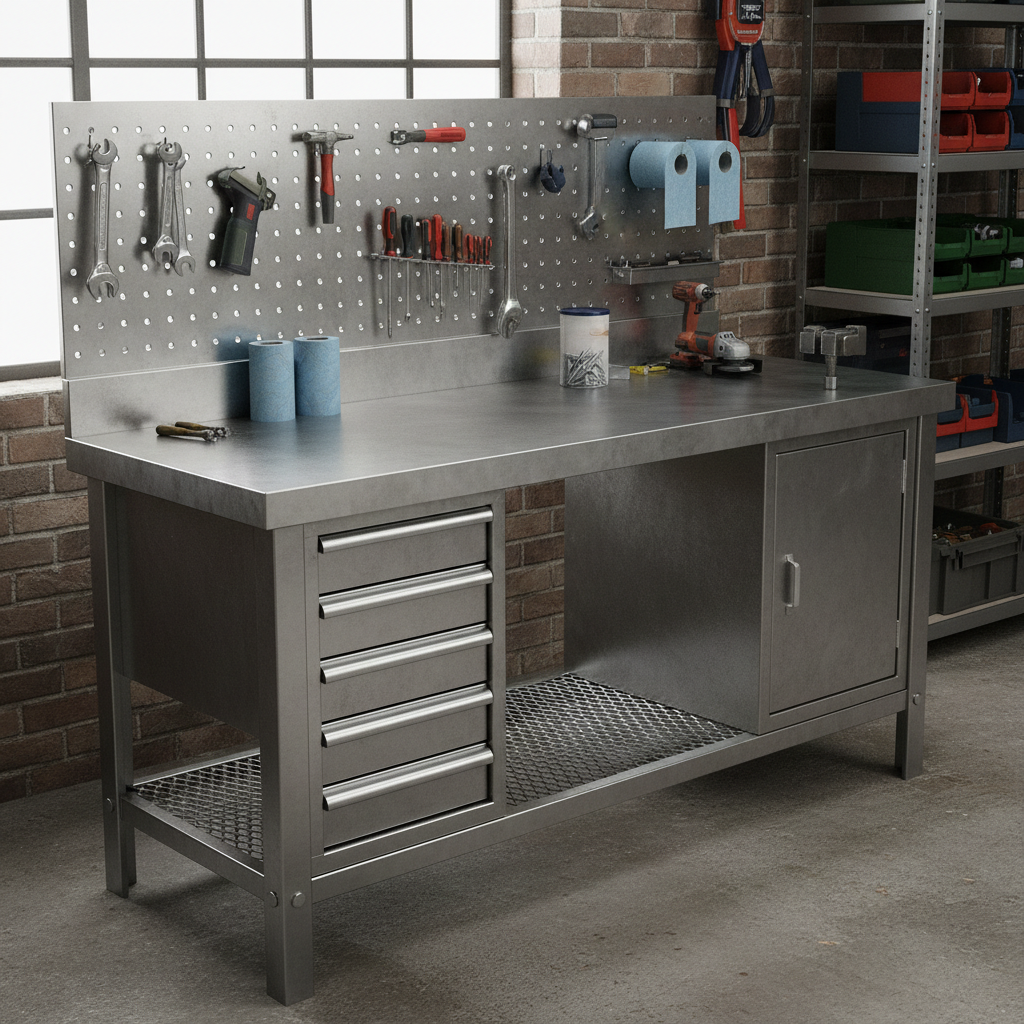
10 Essential Tips for Choosing the Perfect Steel Work Bench for Your Workshop

Understanding Your Workshop Needs: Determining the Right Size and Functionality

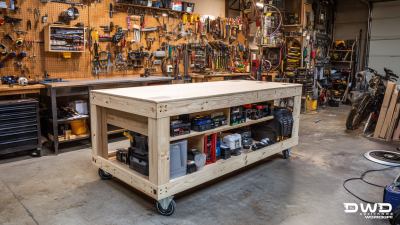
When selecting the perfect steel workbench for your workshop, the first step is to understand your specific needs. Consider the type of projects you will be undertaking: are you doing heavy-duty metal work or delicate woodworking? The tasks you perform will dictate the size and functionality requirements of your bench. A robust workbench with a weight capacity suitable for heavy materials may be necessary for industrial applications, while a lighter, more versatile bench might serve well for general DIY tasks.

Size is equally important in this selection process. Take precise measurements of your workshop space to ensure that your chosen workbench fits comfortably without overcrowding the area. Additionally, think about the height of the bench; it should allow for easy access and comfort during extended use. A workbench that is too high or too low can lead to strain and hinder productivity. Therefore, evaluating both your workspace and workflow will help in choosing a steel workbench that truly enhances your workshop experience.
Workshop Needs Assessment: Ideal Steel Workbench Dimensions

This chart illustrates the recommended sizes for steel workbenches based on various workshop sizes. A small workshop is suggested to have a workbench of 10 ft², while larger workshops are recommended to have correspondingly larger workbenches.

Evaluating Material Quality: What Makes a Steel Work Bench Durable and Reliable

When choosing a steel workbench for your workshop, evaluating material quality is crucial to ensure durability and reliability. According to a report by the National Institute of Standards and Technology, steel workbenches that utilize high-carbon steel can offer superior tensile strength, making them more resistant to deformation under load. Specifically, high-carbon steel can increase a workbench's weight capacity by up to 30% compared to lower-grade materials.

Furthermore, the finish of the steel plays a significant role in the bench's longevity. Workbenches that are powder-coated rather than merely painted tend to resist corrosion and scratches better, extending the usable life of the product. According to data from the American Society for Testing and Materials, a properly powder-coated surface can last up to three times longer in harsh environments compared to standard paint. This is particularly important in workshops exposed to moisture and chemicals, where material degradation can shorten the effective lifespan of equipment.

Ultimately, investing in a workbench made from high-quality materials not only enhances performance but also provides better return on investment over time. A study by the Woodworking Manufacturers Association showed that around 60% of professionals recommend high-quality steel benches due to their reliability and lower maintenance needs, making them the preferred choice for serious craftsmen.

10 Essential Tips for Choosing the Perfect Steel Work Bench for Your Workshop

Assessing Design Features: Importance of Adjustable Heights and Ergonomic Layouts

When selecting the perfect steel workbench for your workshop, evaluating design features like adjustable heights and ergonomic layouts is crucial. Research indicates that ergonomic workstations can enhance productivity by up to 25%, as they reduce strain and discomfort among users. Adjustable-height workbenches cater to a wide range of tasks and allow users to alternate between sitting and standing positions, alleviating fatigue and enhancing focus. A recent industry report by the Occupational Safety and Health Administration highlights that workers who have access to adjustable workstations show a 45% decrease in musculoskeletal disorders, emphasizing the importance of tailoring work surfaces to meet individual needs.

Moreover, creating an ergonomic layout is essential for maintaining safety and efficiency in the workplace. Ergonomic design principles advocate for the arrangement of tools and materials within easy reach, reducing unnecessary movements that can lead to injuries. Data from the National Institute for Occupational Safety and Health stipulates that workshops that prioritize ergonomic layouts experience 30% fewer worker compensation claims. Therefore, investing in a steel workbench that incorporates adjustable features and ergonomic design not only promotes a healthier work environment but also significantly contributes to overall productivity and well-being in your workshop.

10 Essential Tips for Choosing the Perfect Steel Work Bench for Your Workshop

Feature Importance Recommendations
Adjustable Height Allows customization based on user needs and tasks Choose benches with a height range of 28" to 42"
Ergonomic Design Reduces strain and enhances comfort during use Opt for benches with rounded edges and adequate legroom
Weight Capacity Ensures stability and supports heavy tools/materials Look for benches that support at least 300 lbs
Material Quality Durability and resistance to wear and tear Select high-grade steel or reinforced wood
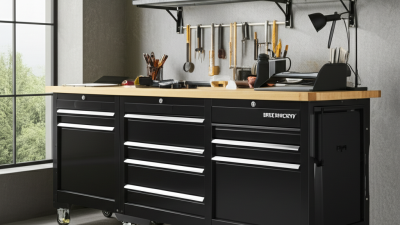
Tool Storage Options Organizes workspace and keeps tools accessible Incorporate drawers, pegboards, or shelving units
Surface Area Provision for multiple projects and spacious work Select benches with at least 48" x 24" surface
Safety Features Prevents accidents and enhances user confidence Look for rounded corners and non-slip surfaces
Mobility Allows repositioning for various tasks Consider benches with lockable wheels
Aesthetics Enhances the overall appearance of the workshop Choose a design that complements your workshop style
Price Range Ensures budget compliance without sacrificing quality Look for options ranging from $150 to $800

Comparing Price Points: Balancing Budget with Quality and Long-Term Value

When choosing the perfect steel workbench for your workshop, it’s essential to find a balance between budget, quality, and long-term value. Steel workbenches can vary significantly in price, and understanding the factors that contribute to these differences is crucial. High-quality materials and construction can lead to higher initial costs, but investing in a durable workbench will ultimately save you money in the long run. Cheaper options may seem appealing, but they often sacrifice stability and longevity, potentially leading to more frequent replacements.

To achieve the best value, consider the specific needs of your workshop. A high-end workbench that offers enhanced features such as adjustable heights, built-in storage, and heavy-duty capabilities may be worth the investment if these features align with your working habits. Conversely, if your projects are less demanding, a mid-range option could provide the right balance without overspending. Always weigh the cost against the potential for enhanced productivity and satisfaction in your workspace, ensuring that your choice supports your workshop's goals for years to come.

Researching Supplier Reputation: Ensuring Trustworthy Manufacturers and Reviews

When selecting a steel workbench for your workshop, one of the most critical factors is the reputation of the suppliers you consider. Researching supplier reputation can significantly influence the quality and durability of products you choose. Start by looking for manufacturers with a strong track record in the industry—those that have consistently received positive reviews for their workmanship and customer service. Online reviews, testimonials, and ratings from previous customers can provide valuable insights into the reliability of a supplier.

Additionally, it's beneficial to engage with forums and communities related to your specific workshop needs, as they can offer firsthand accounts of various suppliers' performance. Investigate not only the quality of the steel workbenches offered but also the supplier’s responsiveness to customer inquiries and their willingness to address issues. Trustworthy suppliers often exhibit transparency regarding their manufacturing processes and provide detailed information about the materials used. This diligence can lead you to a reliable partner that not only meets your immediate needs but also contributes to the long-term success of your workshop.