
The Hidden Cabinet Hinge is a crucial component in modern cabinetry. These hinges provide seamless functionality and a polished aesthetic. The global cabinet hardware market was valued at approximately $26 billion in 2021, with hidden hinges gaining popularity. Consumers appreciate how these hinges maximize space while enhancing design.
Many may overlook the details of a hidden hinge. Yet, these hinges support doors effectively, maintaining alignment and stability. A well-fitted hidden hinge can last years, but improper installation can lead to issues like misalignment. Data shows that about 30% of cabinet failures are due to hinge problems.
In designing cabinetry, it's vital to consider the hidden cabinet hinge's role. It impacts both functionality and visual appeal. Some may focus on looks alone, neglecting the hinge's mechanics. This oversight could result in future repairs and dissatisfaction. Understanding the functionality of hidden cabinet hinges is essential for both manufacturers and consumers alike.
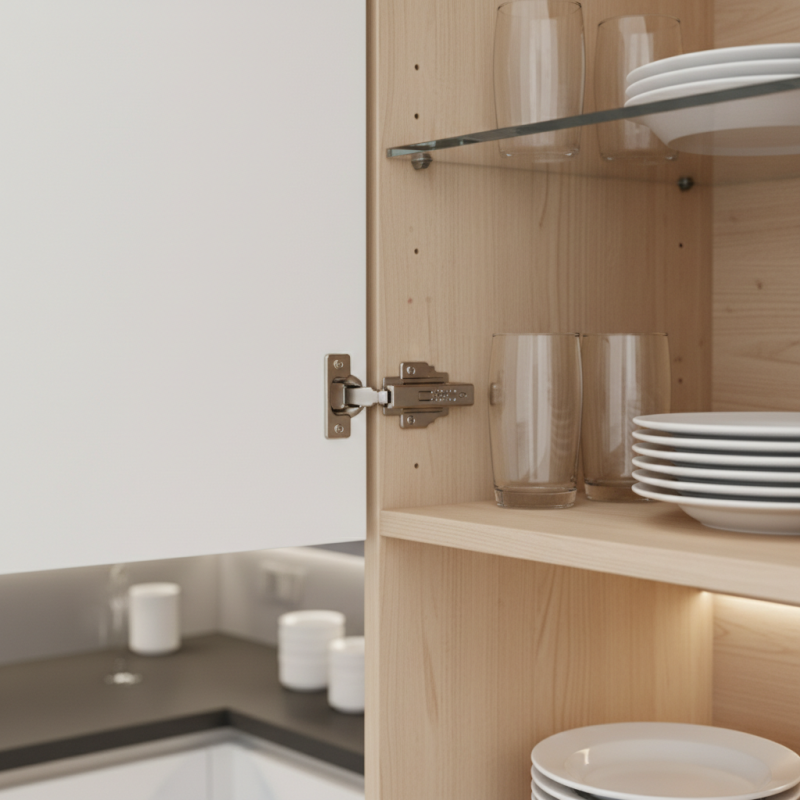
Hidden cabinet hinges are essential components in modern cabinetry. They allow doors to swing open and closed with ease while remaining out of sight. Made of durable materials, these hinges are designed to blend seamlessly into cabinetry. Their primary function is to provide a clean look, making the hardware invisible when doors are closed.
These hinges operate using a concealed design. When the cabinet door is closed, the hinge remains hidden from view. It connects the door to the cabinet frame without interrupting the visual line. This design offers significant aesthetic benefits, especially in sleek or minimalist interiors. However, they may require precise installation, demanding careful measurement and alignment.
Maintenance can be tricky. Over time, hinges may become loose or squeaky. Regular checks and adjustments are necessary. Installation mistakes, like misalignment, can lead to frustration. If not aligned properly, the doors may not close efficiently, impacting functionality. Hidden cabinet hinges combine beauty and utility but can present challenges.
Hidden cabinet hinges have a fascinating history. They date back to ancient furniture designs, where functionality met aesthetics. These hinges allowed doors to open without being visible, creating a sleek appearance. This design enhanced the beauty of cabinetry in homes and offices.
Over time, hidden hinges evolved significantly. Various materials and engineering techniques made them more durable and versatile. They became popular in modern cabinets, offering a seamless look. This evolution reflects advancements in woodworking and hardware manufacturing. Designers began favoring these hinges for their ability to conserve space and support elegant designs.
Tips for choosing hidden hinges: Consider the weight of your cabinet doors. Heavier doors require sturdier hinges. Ensure the hinge installation aligns perfectly for smooth operation. Sometimes, it’s easy to overlook small details. Test the hinge function before final installation. It’s worth re-evaluating your choices for aesthetic and practical reasons. A small mistake here can impact overall cabinetry.
As you explore this topic, remember that design choices matter. How hinges work can affect the user experience. Pay attention to how they blend with the overall style. Visual harmony is key in cabinetry design.
| Feature | Description | Advantages | Common Uses |
|---|---|---|---|
| Concealment | Hidden hinges are designed to be invisible when the cabinet door is closed. | Provides a sleek and modern aesthetic. | Used in kitchen cabinets and furniture. |
| Functionality | Allows for full door opening, providing easy access to the cabinet interior. | Enhances usability without compromising design. | Commonly found in both residential and commercial spaces. |
| Adjustability | Most models offer adjustable features to ensure proper alignment. | Allows for easy corrections during installation or use. | Used extensively in cabinetry to accommodate uneven surfaces. |
| Material | Typically made from metals such as steel or brass, with finishes that vary. | Durable and resistant to wear, ensuring long-lasting use. | Found in high-quality furniture where longevity is desired. |
Hidden cabinet hinges are fascinating mechanical components. They allow cabinet doors to open smoothly while remaining concealed from view. This design is popular in modern cabinetry, providing a clean and streamlined appearance. These hinges operate through a clever mechanism that combines simplicity and innovation.
When you open a cabinet door, the hidden hinge pivots at a specific point. This rotation happens around the mounting plate affixed to the cabinet frame. The door itself is connected to the hinge through a series of arms that provide support and stability. The movement is almost silent, enhancing the overall experience of using the cabinetry. However, not all installations go flawlessly. Sometimes, misalignment occurs, causing the door to stick or not close completely.
Adjusting the hinges can be tricky. Minor corrections in alignment might solve the issues, but it's not always straightforward. Careful attention is required to ensure the doors function as intended. Every small adjustment can make a significant difference. Hidden cabinet hinges highlight the importance of precision in design. They embody both the beauty and complexity of modern cabinetry.
Hidden cabinet hinges offer a sleek and modern solution for furniture design. They allow cabinet doors to open smoothly while remaining out of sight. This feature creates a clean, uninterrupted facade. The aesthetic appeal is undeniable. Furniture looks more elegant without visible hardware.
Using hidden hinges enhances functionality too. They provide a full range of motion, allowing doors to open widely. This space-saving design is especially useful in smaller rooms. However, installation can be tricky. It requires precision and sometimes special tools. If not done correctly, doors may misalign.
Another advantage is the durability of hidden hinges. They often outlast traditional hinges because they are well-protected within the cabinet. This protection helps them withstand wear and tear. But, some might find them more challenging to replace. If a hinge breaks, accessing it may be complicated. Consider these factors carefully when choosing hidden hinges for your next project.
Installing hidden cabinet hinges can enhance your kitchen’s aesthetics. These hinges are not visible when the cabinet doors are closed. This sleeker look appeals to many homeowners. According to industry reports, 67% of homeowners prefer seamless designs in their kitchen renovations. But installation can be tricky.
When installing hidden hinges, measuring accurately is crucial. You need precise placement for the hinge cup. Errors can lead to misalignment. The hinge should be at least 3 inches from the top and bottom of the door. This ensures stability. Many DIYers underestimate this step. Make sure to avoid common mistakes like drilling too deeply. A shallow hole can damage the cabinet door.
Securing the hinge to the cabinet is another challenge. Pre-drilling the holes can help ensure a snug fit. This reduces the risk of splitting the wood. Industry data states that 80% of installation issues stem from improper fastening. Many installers overlook the need for pilot holes, causing unnecessary frustration. Focus on these details for a better installation experience.
1901 West Main Street
Washington, MO 63090
Main Directory: 1-800-227-4873
Email: sale@pangcofurniture.com

We’re always looking for talented individuals to join our team. Send us your resume using the form below. When a position comes available that matches your skillset, one of our team members will reach out to you.
"*" indicates required fields