
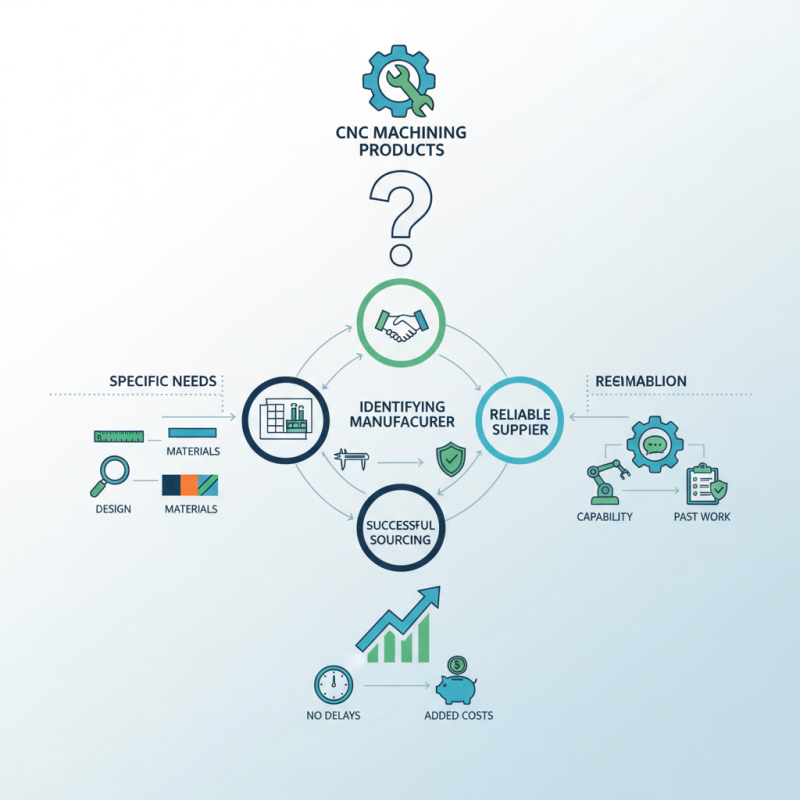
Sourcing Custom CNC Machining Products is a crucial step for many businesses. It requires a clear understanding of your specific needs. Identifying the right manufacturer can seem daunting at first. Every business has unique requirements that dictate the design, materials, and precision needed for parts.
Custom CNC machining products offer flexibility and precision. You can create components tailored to your specifications. However, finding a reliable supplier is essential. Not all manufacturers provide the same level of quality. Some might promise the best but fall short in execution. It's important to evaluate their experience and expertise in the field.
Building a relationship with a trusted supplier enhances your operations. Consider their capability, communication, and past work. A poor choice could lead to delays and added costs. Reflecting on your needs and potential partners is key to successful sourcing. A thorough evaluation process pays off in the long run.
CNC machining is a remarkable process for creating custom products. Understanding its terminology is crucial for businesses looking to leverage this technology. CNC, or Computer Numerical Control, refers to the automation of machine tools through computer programming. This allows for precision and repeatability, which are vital in product manufacturing.
Key concepts include the role of CAD, or Computer-Aided Design, which creates detailed blueprints for production. Furthermore, G-code is the programming language that directs the CNC machine's movements. Operators must grasp these terms to effectively communicate their needs to machinists. However, many newcomers find this jargon confusing at first.
Selecting the right materials is another essential aspect. Metals like aluminum and steel are common choices due to their durability. However, the choice of material must reflect the product's intended use. A wrong decision can lead to delays and increased costs. Frequent discussions with experts can mitigate these risks. Understanding the nuances can enhance sourcing and ultimately improve product quality.
This chart illustrates the average lead time required for sourcing different types of CNC machining materials. Understanding these lead times can help businesses effectively plan their production schedules and manage customer expectations.
Identifying product specifications is crucial for sourcing custom CNC machining products. First, you need to define the dimensions accurately. Measurements should be precise; tolerances matter significantly. Use tools like calipers and micrometers to ensure you capture every detail. Ensure that your design files are clear and unambiguous. This prevents miscommunication between you and the manufacturer.
Next, consider the materials you'll require. Different materials behave uniquely during the machining process. Aluminum, for instance, offers strength and lightness, while steel provides durability. Each choice affects the final product's cost and performance. By understanding the advantages and disadvantages of various materials, you make informed decisions that align with your project goals.
Don’t overlook surface finishes. This part often gets less attention, yet it can affect both aesthetics and functionality. Decide whether you need coatings, polishing, or specific textures. Each choice impacts the product's durability and appearance. Finally, document all specifications carefully. Missing information can lead to costly mistakes and delays. Regularly revisit and refine your requirements as your project evolves.
When sourcing custom CNC machining products, evaluating potential suppliers is crucial. Quality and certification standards define a supplier's reliability. Start by asking about their certifications. ISO 9001 certification, for example, indicates a commitment to quality management. However, certifications alone do not guarantee consistent quality. Always seek proof of quality control processes in place.
Visit the supplier’s facility if possible. A physical inspection can reveal much about their operations. Look for modern machinery and cleanliness. A disorganized shop floor often signals deeper issues. Request samples of their previous work. Analyze these for precision and finish. This helps gauge their capability.
Consider requesting a smaller batch first. This trial run allows you to evaluate quality without a major commitment. Keep communication lines open. Discuss any discrepancies openly. A reliable supplier should appreciate constructive feedback. They may learn from mistakes and improve. Ultimately, choosing the right CNC supplier can be a partnership, not just a transaction.
When budgeting for custom CNC machining projects, understanding all associated costs is vital. These costs can include design fees, materials, machining hours, and finishing processes. Each element impacts the overall price. Many overlook the importance of detailed project specifications. Clear specs can save time and reduce expenses.
Tips: Always request multiple quotes from different suppliers. This practice allows you to compare rates and services. Don't hesitate to discuss your budget openly with potential vendors. They may adjust services to fit your financial constraints.
Another key aspect is considering the long-term value. Sometimes, investing more upfront can lead to better durability and efficiency. Evaluate the quality versus cost ratio carefully. It's natural to focus on price, yet quality shouldn't be compromised.
Lastly, remember that revisions can be costly. Ensure that the initial design is as accurate as possible. Mistakes in machining can lead to wasted materials and resources. Taking time to refine designs will pay off later. Always learn from past projects. Each experience can improve your budgeting process for future CNC machining needs.
Sourcing custom CNC machining products requires careful management of lead times and production schedules. Effective communication with manufacturers is essential. Accurate timelines help set reliable expectations. A recent report by the Association for Manufacturing Technology revealed that late deliveries can risk 28% of project timelines.
Understanding lead times impacts financial outcomes. According to a survey by the Precision Machined Products Association, 65% of companies faced delays in delivery schedules last year. These disruptions lead to increased costs and lost business opportunities. Having a clear plan can mitigate these risks.
Maintaining flexibility in schedules can also aid in effective management. Production schedules should account for potential delays. Collaboration with suppliers can provide insights into manufacturing capabilities. Industry trends show that proactive planning enhances partnerships. Inconsistent communication and unrealistic timelines often lead to dissatisfaction. Finding balance in expectations is key to a successful sourcing process.
1901 West Main Street
Washington, MO 63090
Main Directory: 1-800-227-4873
Email: sale@pangcofurniture.com

We’re always looking for talented individuals to join our team. Send us your resume using the form below. When a position comes available that matches your skillset, one of our team members will reach out to you.
"*" indicates required fields