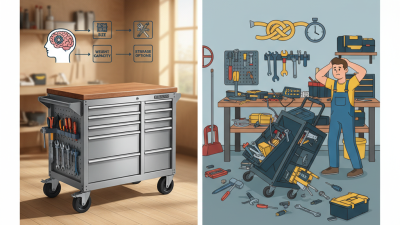
Top Tips for Choosing the Best Cabinet Workbench for Your Needs?

Selecting the right cabinet workbench can significantly enhance your workspace efficiency. According to a report by the Association of Woodworking Professionals, over 70% of carpenters cite an organized workspace as crucial for productivity. A cabinet workbench provides not only a sturdy surface for detailed projects but also essential storage solutions. Finding the perfect match for your needs requires a careful assessment of features such as durability, size, and accessibility.

Many woodworkers underestimate the importance of these factors. A high-quality cabinet workbench typically lasts for years, making it a worthwhile investment. However, not all workbenches are created equal, and the market is flooded with options. Reports indicate that poorly chosen workbenches often lead to decreased efficiency and increased frustration. Prioritizing specific functionalities, like tool storage and ease of use, will ensure you make a sound choice.

Ultimately, the best cabinet workbench is one that aligns with your specific needs and workspace dynamics. Reflecting on personal preferences and project requirements is vital. A thoughtful selection will lead to a more enjoyable and productive woodworking experience.
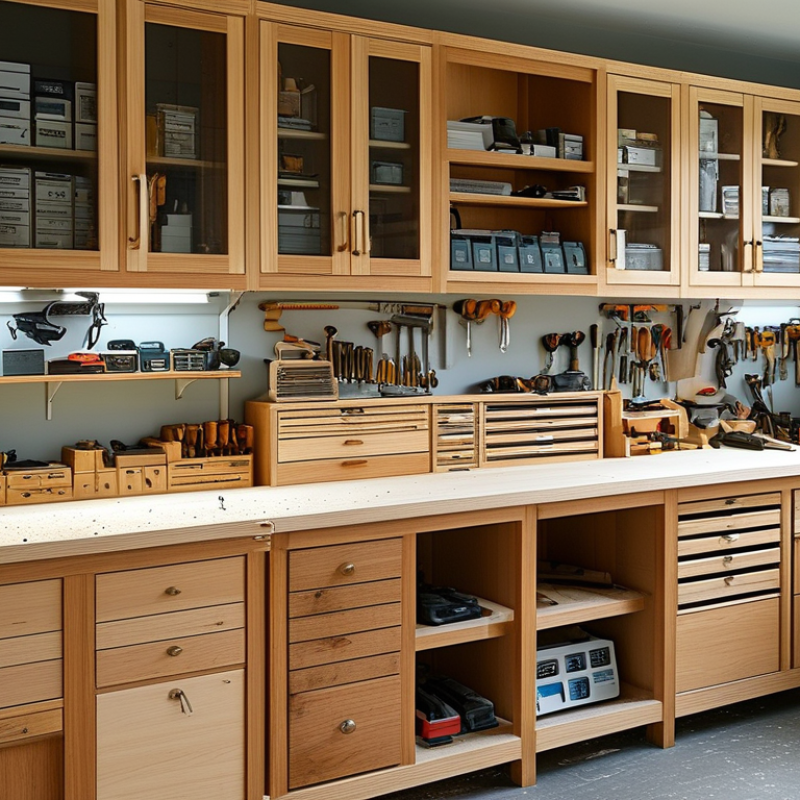
Top Tips for Choosing the Best Cabinet Workbench for Your Needs?

Factors to Consider in Selecting a Cabinet Workbench for Your Workshop

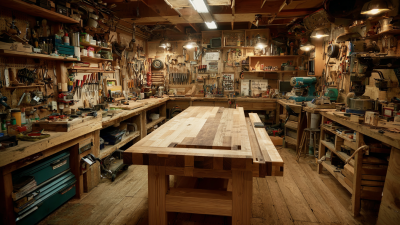
Choosing the right cabinet workbench is crucial for your workshop's efficiency. Start by evaluating the available space. Measure your workshop carefully. Do you have enough room for a sturdy workbench? Think about storage, too. A well-designed cabinet workbench helps keep your tools organized.

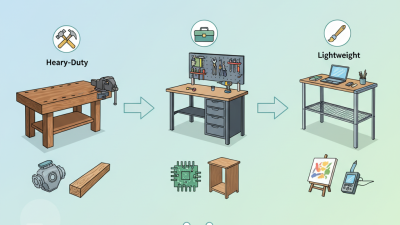
Consider the material of the workbench. Solid wood provides durability, while steel might offer more stability. Some might prefer a lightweight option for easy relocation. A bench with a thick top can withstand heavy tasks. This is vital for woodworking or assembly projects.

Don’t overlook the height. An improper height can lead to discomfort. Adjustability could be beneficial if multiple users share the bench. Think about your typical tasks when deciding. A workbench should support your unique needs in any project. Remember, it’s okay if you don’t find the perfect fit immediately. Learning through trial is part of the process.

Understanding the Weight Capacity Requirements for Workbench Structures

When selecting a cabinet workbench, understanding weight capacity is crucial. The weight capacity directly impacts safety and functionality. According to industry reports, a typical workbench should support a minimum of 300 pounds. This number varies based on materials and design. Solid wood or metal options tend to have higher capacity than particleboard or less sturdy materials.

Cabinet workbenches are often equipped with additional storage. This can influence how much weight they can handle. Check the specifications for both the work surface and the structure. Some designs may look robust but lack the internal support required for heavy machinery or tools.

Tip: Always calculate the total weight of tools and materials you plan to use. If you're working with heavy equipment, consider a workbench with at least 500-pound capacity.

Tip: Inspect the joints and connections of the workbench. A seemingly sturdy unit can collapse under strain if the assembly is poor. Evaluate materials used; high-density fiberboard may be cheaper but lacks durability compared to solid wood or metal.

Weight capacity is not just a number; it reflects the reliability of your workspace. A miscalculation can lead to accidents and costly damage. Choose wisely.

Weight Capacity of Various Cabinet Workbenches

Evaluating Material Quality: Wood vs. Metal for Cabinet Workbenches

When evaluating materials for cabinet workbenches, two popular options are wood and metal. Each material has its own distinct advantages and drawbacks, making the decision a matter of your specific needs and preferences. Wood offers a classic aesthetic and natural resilience. It’s warm to touch and can absorb sound, creating a quieter workspace. However, wood can warp or crack over time. It may require periodic maintenance to preserve its integrity.

On the other hand, metal cabinet workbenches provide strength and durability. They resist dents and scratches, making them ideal for heavy-duty tasks. Metal surfaces are often easy to clean, which is a bonus for messy projects. Yet, metal can be colder to work with and may lack the character that wood provides. It also rusts if not properly coated or maintained.

Consider how you will use your workbench. Will it face heavy wear and tear? If so, metal might be the better option. But for crafting or light-duty repairs, wood could be more suitable. Reflect on your workspace climate as well. A humid environment could affect wood, while metal needs protection from moisture. Each material bares its own quirks, leading to thoughtful reflection on what will ultimately work best for you.

Top Features to Look for: Storage, Surface Area, and Adjustability

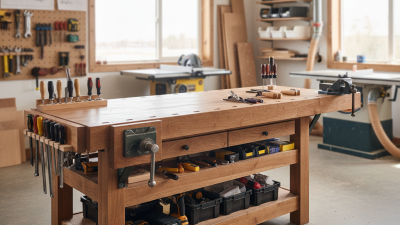
When selecting a cabinet workbench, consider storage options. Ample storage is crucial. Look for benches that offer multiple drawers and shelves. This space helps keep tools organized. An efficient layout can save you time and frustration during projects. Too few storage options can lead to clutter. This may slow down your workflow.

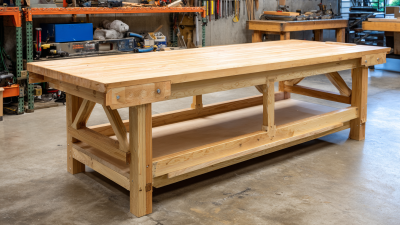
Surface area is equally important. A spacious work surface allows for larger projects. It provides room for tools and materials. Ensure the surface is durable and easy to clean. A scratched and stained top can detract from your work. Reflect on how much space you truly need. Too small can hinder progress; too large might waste materials.

Adjustability is another key feature. An adjustable height can enhance comfort during use. This is especially useful for long hours of work. Ensure that the bench can accommodate different tasks. However, not all benches offer this feature. Be wary of this when making a choice. Consider how the height affects your posture. A bench that is too low or high can create strain.

Budgeting for Your Cabinet Workbench: Average Costs and Investment Benefits

When budgeting for a cabinet workbench, understanding the average costs is crucial. Typically, quality workbenches range from $300 to $1,200, depending on material and design. A report from the National Woodworking Manufacturers Association indicates that investing in a sturdy workbench can significantly enhance your productivity. Reliable options might save you money in the long run by providing durability and functionality.


Considering investment benefits is vital. An effective workbench can lead to more organized workspaces. A study from the Woodworkers Guild shows that efficient organization can boost productivity by up to 50%. Opting for quality materials, like hardwood or steel, tends to yield better results. However, one must reflect on the initial costs versus the benefits over time. Sometimes, cheaper options can lead to frequent replacements, which could cost more in the long run.


Another aspect to consider is space utilization. The ideal size should fit your workspace without overwhelming it. Take measurements before purchasing. Smaller benches can be practical but also limit your project space. A good balance between size and budget can lead to satisfaction in your workshop. Ensure that your investment matches your specific needs for optimal efficiency.