In the competitive world of beverage service, proper Commercial Beer Storage is essential. Managing stock effectively can enhance a business’s profitability. Quality storage solutions help maintain the flavor and integrity of beers, which in turn satisfies customers.
Choosing the right system is critical. It can be overwhelming to navigate through various options. Each solution has unique features, catering to different business needs. Storage units come in many shapes and sizes, impacting the overall efficiency of operations. Factors such as temperature control and accessibility are key to successful storage.
It's crucial to invest time in research before purchasing. The best solution not only preserves beer but also optimizes space. Some businesses overlook the long-term return on investment in this area. A thoughtful approach can lead to improved service quality and, ultimately, a loyal customer base. Reflecting on your current setup could reveal areas for improvement, ensuring your beer selection stays fresh and appealing.
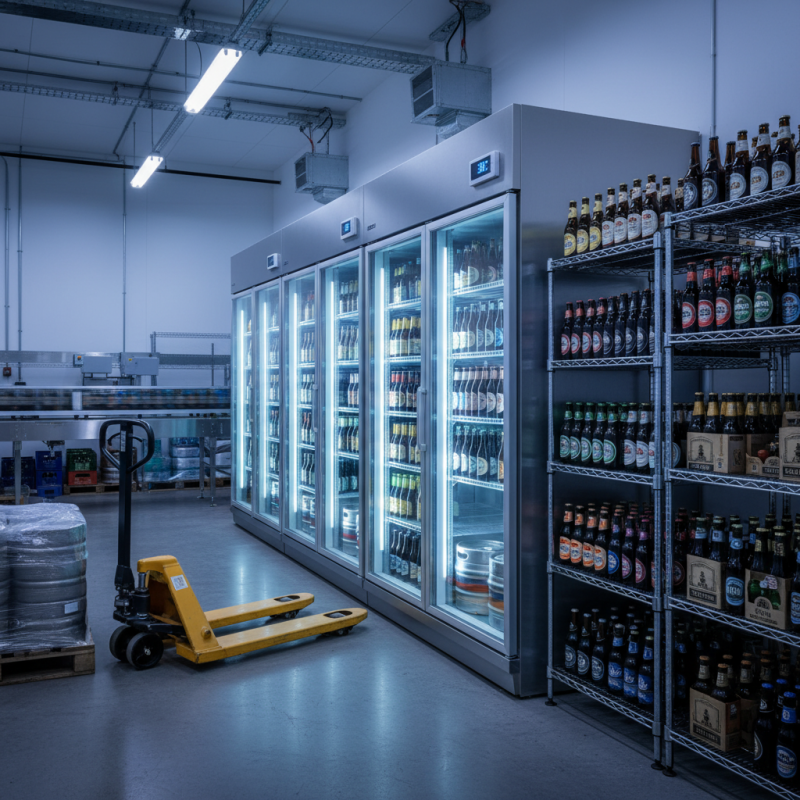
When choosing beer storage solutions, several essential features should guide your decision. Temperature control is critical. Keep beer at the right temperature to maintain its flavor and carbonation. Ideally, the storage temperature should range between 38°F and 55°F. A reliable cooling system is a must-have to achieve this.
Another important feature is capacity. Consider how much beer you need to store. An ideal solution should accommodate current stock while allowing room for growth. Adjustability in shelving can help with this flexibility. Durability is also key; choose materials that withstand heavy use and hold up in a busy environment.
Accessibility is often overlooked. Beer should be easy to reach for efficient service. Opt for designs that allow quick access to different types of beer. However, there might be a trade-off between accessibility and space optimization. Assessing your layout will help find the right balance. It’s also wise to reflect on your storage needs regularly to adapt to changing demands. This way, you can ensure your business stays competitive and efficient.
When selecting a beer storage solution, various factors come into play. Temperature control is crucial. Inadequate temperature management can affect the beer's flavor and quality. Many systems offer precise temperature settings. However, users must ensure these systems maintain consistent conditions over time. Monitoring temperature fluctuations remains a challenge for some businesses.
Another important aspect is humidity control. Too much moisture can lead to mold growth, while too little can dry out corks. Effective storage systems should address both elements. Some solutions focus heavily on temperature but neglect humidity. This presents a risk that could harm products.
The design and capacity of storage units should align with your business size. A small bar may not need the same extensive storage as a large brewery. Customizable solutions might cater to varied needs, but they can be complex. Ensuring that the space is efficiently utilized can prevent wasted inventory. Regular audits of storage practices can highlight areas for improvement.
Temperature control plays a crucial role in the beer storage process. Maintaining specific temperature ranges ensures that the beer retains its intended flavor profile. According to industry research, temperature fluctuations can lead to unwanted chemical reactions, compromising quality. A study from the Brewers Association indicates that beer stored at higher temperatures degrades faster, losing aroma and taste.
Different beer styles require varying temperature settings for optimal storage. For example, lagers typically thrive between 45°F to 55°F, while ales prefer slightly warmer conditions, around 50°F to 60°F. A consistent temperature helps in avoiding issues like excessive carbonation or off-flavors. Data suggests that maintaining these ranges can extend the shelf life of craft beers by up to 20%.
However, many businesses struggle with maintaining optimal conditions. Issues can arise from inadequate storage equipment or improper practices. A 2021 survey highlighted that 30% of breweries reported temperature inconsistencies in their storage areas. This underscores the necessity for reliable storage solutions. Investing in quality storage equipment not only preserves beer quality but also enhances customer satisfaction.
When considering storage capacity requirements for commercial beer needs, several factors come into play. Industry reports suggest that an average bar requires approximately 2-3 cubic feet of storage for every 20 customers. This ratio ensures that businesses can effectively manage their inventory while keeping quality in check.
The importance of temperature control is paramount. Beers are sensitive to heat, which can spoil flavors. Ideally, storage solutions should maintain a temperature between 36°F and 50°F. Additionally, many establishments overlook the need for proper airflow. Insufficient airflow can lead to spoilage or reduced beer quality.
Space constraints often lead to less-than-ideal setups. Many establishments struggle with overcrowding. An organized approach can save valuable space. Utilizing vertical storage or stacking can enhance capacity. However, proper inventory management must also be a priority. Regular audits can help prevent stockouts or excess waste. These reflections point to the need for continual evaluation of storage practices.
| Storage Solution | Capacity (Liters) | Temperature Range (°C) | Features |
|---|---|---|---|
| Vertical Kegerator | 200 | 1 - 4 | Push button temperature control |
| Walk-in Cooler | 1000 | 1 - 4 | Large capacity, customizable layout |
| Underbar Cooler | 150 | 2 - 5 | Efficient use of space |
| Bar Fridge | 50 | 2 - 10 | Compact, features glass door |
| Glycol Chiller | 250 | -2 - 4 | Maintains optimal serving temperature |
| Ice Bin | 200 | N/A | Keeps beverages cold, durable design |
| Commercial Refrigerator | 500 | 0 - 5 | Energy-efficient, adjustable shelves |
| Beverage Dispenser | 100 | 2 - 5 | Multiple taps for beverage options |
| Keg Cooler | 250 | 0 - 4 | Specifically designed for kegs |
| Refrigerated Display Case | 300 | 2 - 5 | Attractive display for cold beverages |
When choosing beer storage, cost-effectiveness is crucial for any business. A recent industry report indicates that storage solutions can impact overall profitability. In fact, inefficient storage can lead to unnecessary waste, costing businesses up to 10% of their total inventory annually. Selecting the right storage method, whether it’s kegs or refrigerated display units, affects long-term expenses.
Investing in energy-efficient models is key. According to findings from the Beverage Industry Association, energy-efficient refrigerators can reduce energy costs by approximately 20-30%. Businesses should also consider the space required. Overcrowding can lead to spoilage, while too much excess space can increase costs. The balance between inventory turnover and storage capacity is essential for maintaining profitability.
Understanding the type of beer and storage conditions is also important. For example, ales and lagers have different temperature needs. A one-size-fits-all approach may not work effectively. Tailoring storage methods to specific needs ensures optimal product quality. It helps reduce losses and increase customer satisfaction. Analyzing and adjusting storage strategies is an ongoing process that can enhance operational efficiency.
1901 West Main Street
Washington, MO 63090
Main Directory: 1-800-227-4873
Email: sale@pangcofurniture.com

We’re always looking for talented individuals to join our team. Send us your resume using the form below. When a position comes available that matches your skillset, one of our team members will reach out to you.
"*" indicates required fields