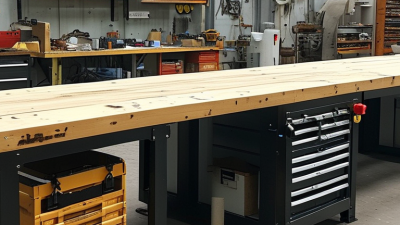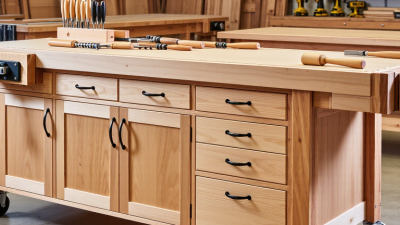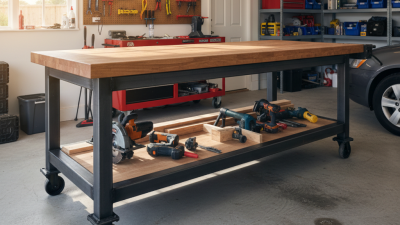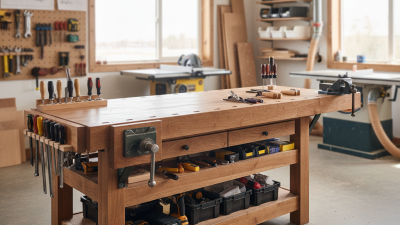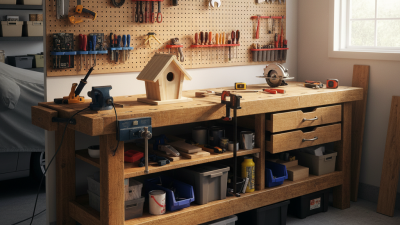
A work bench table is more than a flat surface with four legs. It is the working center of a garage, laboratory, repair room, or professional workshop. Depending on its design, it may support drilling, assembly, sanding, welding, electronics, or detailed woodworking. A sturdy model should remain stable when pressure is applied. It should also provide enough height, depth, and storage for the tasks you actually perform.
Christopher Schwarz, a respected workbench author and furniture maker, wrote, “A workbench is a tool.” That short statement explains why selection requires more than comparing prices. A heavy steel frame may suit a mechanic, while a wooden top with bench dogs may better serve a cabinetmaker. Adjustable feet can reduce movement on uneven floors. A thick surface can absorb vibration. Drawers, shelves, and pegboards can keep frequently used tools within reach.
Still, there is no perfect work bench table for every workshop. A large table can offer comfort, yet consume valuable floor space. A compact model may fit a small room, but limit clamping and material handling. I have seen buyers focus on appearance and overlook load capacity. That mistake becomes obvious when a vise twists the surface or a long board extends beyond the edge. The right choice begins with honest measurements, realistic projects, and a clear understanding of daily use. This guide will examine those details and help you choose with fewer costly regrets.
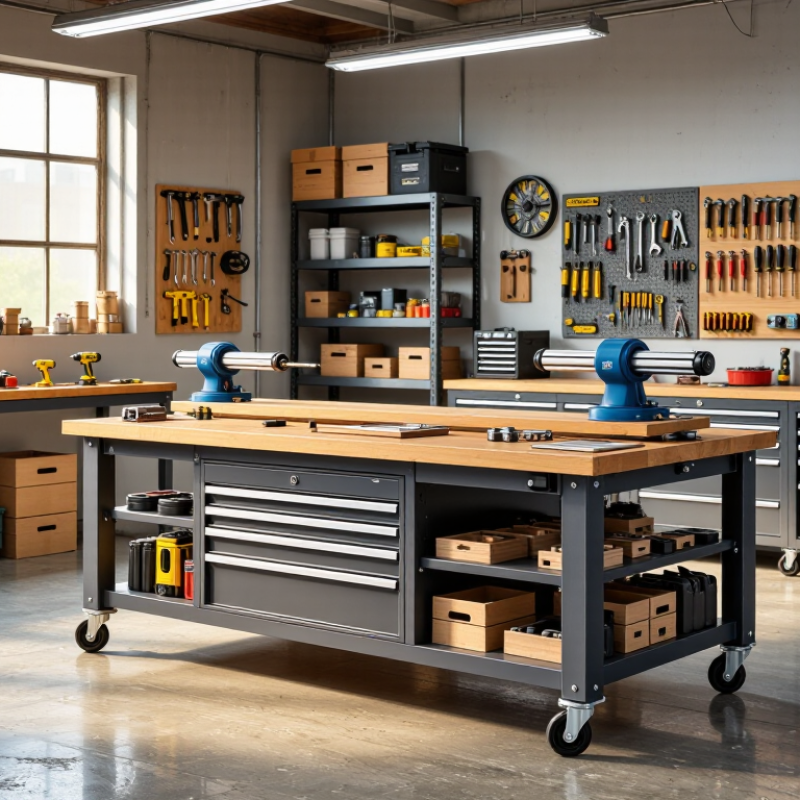
A workbench table is a sturdy, practical surface designed for hands-on tasks. It supports measuring, cutting, assembling, repairing, and inspecting materials. Unlike an ordinary desk, it usually has a stronger frame and a more durable worktop. Its core purpose is simple: to create a stable, organized area where work can be done safely and accurately.
In real workshops, a reliable bench reduces unnecessary movement. A solid surface can keep a wooden board steady while you mark a cut. Drawers, shelves, or pegboards can keep tools within reach. When choosing one, consider the expected load, available floor space, working height, and surface material. A metal top may suit mechanical work, while a timber surface can feel better for general projects.
Height matters more than many buyers expect. A bench that is too low can strain your back over time. I have found that storage is useful, but excessive drawers can limit legroom and reduce flexibility.
Tips: Measure your workspace first. Check the bench’s weight capacity. Test the height before buying. Look for adjustable feet on uneven floors. Avoid choosing appearance over stability. A beautiful bench can still wobble. Also, consider future tasks, because your needs may change sooner than expected.
A workbench table is more than a flat surface with four legs. Its construction affects safety, comfort, and daily productivity. The key components include the worktop, frame, legs, storage, and leveling feet. A thick hardwood or laminated top resists vibration and supports clamping. Steel frames usually provide stronger load capacity, while reinforced wood frames can feel warmer and quieter.
Consider the tasks before choosing a workbench table. A general-purpose bench suits measuring, assembling, and light repairs. A heavy-duty bench handles mechanical work, metal projects, and repeated impact.
Mobile benches include locking casters, making them useful in shared workshops. Adjustable-height models support both seated and standing tasks, although their mechanisms may reduce stability slightly.
Storage changes the bench’s usefulness. Drawers protect small tools, while open shelves hold bulky equipment. Pegboards keep frequently used items visible and within reach.
Check the working height carefully; a surface that feels comfortable for assembly may strain your shoulders during detailed work. Measure the available floor area, including space for movement and opened drawers. I once underestimated this clearance, and the bench quickly felt crowded.
Load ratings also deserve attention. They should exceed your expected weight, not merely match it. A level floor helps, but adjustable feet cannot correct every uneven surface. Balance matters more than appearance.
What Is a Work Bench Table and How to Choose the Right One?
A work bench table provides a stable surface for repairing, building, measuring, and organizing tools. Choosing one begins with the actual work you perform. Measure your largest project, then add room for clamps, materials, and safe hand movement. A narrow surface may look efficient, but it quickly becomes crowded. I have underestimated this space before.
Height affects comfort and control. For detailed tasks, a slightly higher bench can reduce back strain. Heavy assembly often feels safer on a lower surface. Stand naturally and bend your elbows to test the working height. Remember that a thick mat or mounted tool can raise the surface several centimeters.
Tips: Check the bench’s weight capacity, not only its appearance. Include the weight of tools, materials, and occasional downward force. A listed capacity may describe evenly distributed weight, while your vise creates concentrated pressure. Look for solid legs, adjustable feet, and a surface that does not wobble. Measure doorways and workshop clearance too. A large bench is useful only if you can move around it. Leave space for drawers, power cords, and material handling. I sometimes prioritize storage and regret losing knee clearance. That trade-off deserves a second look.
A workbench table is a stable work surface for repairing, building, and organizing tools. Its design affects comfort, safety, and daily productivity. Choosing the right materials matters because each option behaves differently under pressure. Steel frames resist heavy loads and repeated movement. Solid wood feels warm, absorbs vibration, and can be sanded after years of use. Laminated surfaces are easy to clean, but sharp tools may damage their edges. I prefer a thick wooden top with a reinforced steel frame for general workshop tasks. Still, no material fits every workspace.
Look for adjustable feet, a level surface, and a clear load rating. A rigid frame should not wobble when you clamp a board. The worktop should also resist moisture, oil, and accidental scratches. A raised edge can stop small parts from rolling away. That feature seems minor. It saves time. Check the working height against your elbows, especially if you stand for long projects. A table that is too low can create shoulder and back strain.
Storage choices should match your routine, not just your available space. Drawers protect measuring tools from dust and keep small screws visible. Open shelves hold bins, power tools, or larger materials. Cabinets provide cleaner storage but may slow access during frequent tasks. I once selected a deep drawer system that looked useful, yet it blocked my knees while sitting. That decision was not ideal. Measure walking paths, drawer clearance, and the space beneath the table before buying. Leave room for future tools; workshops tend to grow.
| Workbench Type | Common Materials | Typical Size Range | Typical Load Capacity | Best For | Storage Options | Key Advantages | Important Limitations |
|---|---|---|---|---|---|---|---|
| Heavy-Duty Steel Workbench | Powder-coated steel frame with a steel, hardwood, or laminated top | 48–96 in. wide; 24–36 in. deep; 30–40 in. high | Approximately 500–3,000 lb, depending on frame and load distribution | Mechanical repair, fabrication, assembly, and heavy tools | Lower shelves, drawers, cabinets, pegboards, and tool panels | Excellent stability, high load capacity, and long service life | Heavy, difficult to relocate, and potentially vulnerable to corrosion if the finish is damaged |
| Solid Wood Workbench | Hardwood or laminated wood, often supported by a timber or steel frame | 48–84 in. wide; 24–36 in. deep; 30–38 in. high | Approximately 300–2,000 lb, depending on thickness and base design | Woodworking, hand-tool use, craft work, and general workshop tasks | Drawers, open shelves, cabinets, and wall-mounted storage | Absorbs vibration, can be resurfaced, and provides a comfortable work surface | Can be affected by moisture, may dent or stain, and usually weighs more than composite benches |
| Stainless-Steel Workbench | Stainless-steel top and frame, sometimes with an undershelf | 36–96 in. wide; 24–36 in. deep; 30–36 in. high | Approximately 300–1,500 lb | Clean environments, food preparation, laboratories, and light assembly | Wire shelves, drawers, undershelves, and wall-mounted racks | Easy to clean, resistant to many stains, and suitable for frequent sanitation | Can transmit vibration and noise; the surface may scratch or show fingerprints |
| Adjustable-Height Workbench | Steel or aluminum frame with a wood, laminate, or composite top | 36–72 in. wide; 24–30 in. deep; approximately 28–48 in. high | Approximately 250–1,000 lb, depending on adjustment mechanism | Mixed seated and standing work, electronics, inspection, and packing | Under-table drawers, shelves, mobile pedestals, and overhead racks | Improves ergonomic flexibility and accommodates users of different heights | Usually costs more and may be less rigid at maximum height |
| Mobile Workbench | Steel frame, wood or composite top, and locking casters | 36–72 in. wide; 20–32 in. deep; 30–40 in. high | Approximately 300–1,500 lb, including the bench and stored items | Shared workshops, garages, maintenance areas, and flexible workspaces | Lockable drawers, shelves, cabinets, and integrated tool storage | Can be moved when needed and positioned close to a project | Casters can reduce stability; wheels must be locked before applying force |
| Folding or Portable Workbench | Steel or aluminum frame with a wood, plastic, or composite top | 24–60 in. wide; 18–30 in. deep; approximately 28–38 in. high | Approximately 100–500 lb | DIY projects, installation work, temporary jobs, and small spaces | Limited built-in storage; often paired with toolboxes or separate organizers | Easy to transport and store when not in use | Smaller surface area and lower rigidity than permanent workbenches |
| Decision Factor | What to Check | Practical Recommendation |
|---|---|---|
| Workspace | Available floor area, doorway width, ceiling height, and clearance around the bench | Leave enough room for the user to stand, move materials, and access drawers or shelves. |
| Load Capacity | Total weight of tools, materials, equipment, and concentrated loads | Choose a rated capacity above the expected working load and distribute heavy items evenly. |
| Worktop Material | Resistance to impact, moisture, chemicals, heat, scratches, and vibration | Select hardwood for hand-tool work, steel for heavy-duty tasks, and stainless steel for frequent cleaning. |
| Ergonomics | Working height, posture, reach distance, and the need to alternate between sitting and standing | Consider an adjustable-height design for shared workspaces or tasks with different operating positions. |
| Storage | Required drawer depth, cabinet clearance, shelf height, and tool access frequency | Use drawers for small tools, cabinets for protected storage, and open shelves for frequently used items. |
| Stability and Mobility | Frame rigidity, leveling feet, caster brakes, and resistance to rocking | Choose fixed legs for force-intensive work and locking casters when relocation is important. |
| Safety | Rounded edges, secure fasteners, anti-tip protection, grounding requirements, and safe cable routing | Anchor tall or heavily loaded benches when necessary and keep the working surface free of trip hazards. |
A work bench table is a stable surface for assembling, repairing, measuring, or storing tools. In daily workshop use, stability matters more than appearance. I look for a frame that does not twist when pressure is applied. A level surface also prevents small parts from rolling away. Choose a height that keeps your elbows near a right angle. Poor posture becomes painful surprisingly fast.
Safety starts with load capacity and surface condition. Check the table’s rated weight, including tools, materials, and sudden pressure. Locking casters should hold firmly before cutting or drilling. Rounded edges reduce painful bumps, while a non-slip surface helps control metal parts. Keep cables away from walkways. Ventilation is important when work creates dust or fumes. A bright task light reveals cracks, loose screws, and sharp debris. Never ignore a wobble. It may worsen.
Maintenance should be simple enough to perform regularly. Wipe spills quickly, especially moisture that can cause corrosion. Tighten fasteners during monthly inspections. Replace damaged mats instead of covering them with tape. Wood surfaces may need light sanding and suitable protective treatment. Metal surfaces need attention around scratches and joints. I once underestimated storage weight and caused a drawer to bind. That mistake changed my buying checklist. Measure the available room, doorways, and working clearance before ordering. Compare warranty terms, replacement parts, assembly instructions, and return conditions. A cheaper table can cost more when parts are difficult to find. Consider future projects, but avoid paying for features you will never use.
Workbench height should match the task, user posture, tool requirements, and load. These practical ergonomic ranges are starting points rather than fixed rules: adjustable benches are preferable when several users or tasks are involved.
Safety: Select a bench with sufficient load capacity, stable legs, a non-slip surface, rounded edges, and enough clearance for safe movement. Anchor the bench when tipping or sliding is possible.
Maintenance: Inspect fasteners, feet, frames, drawers, and work surfaces regularly. Clean spills promptly, repair damaged coatings, and remove burrs or sharp edges before they become hazards.
Buying considerations: Compare height adjustment, surface size, material durability, rated load, storage, lighting compatibility, and ease of cleaning. The best choice supports a neutral working posture while safely handling the intended tools and materials.
1901 West Main Street
Washington, MO 63090
Main Directory: 1-800-227-4873
Email: sale@pangcofurniture.com

We’re always looking for talented individuals to join our team. Send us your resume using the form below. When a position comes available that matches your skillset, one of our team members will reach out to you.
"*" indicates required fields